How to Use Aromatherapy Products Safely
Direct Application, Inhalation, Prescribed Oral Use, Topical Blend Application and Hydrosol/Aromatherapy Spray Use

DIRECT APPLICATION
APPLYING SELECTED ESSENTIAL OILS DIRECTLY TO THE SKIN.
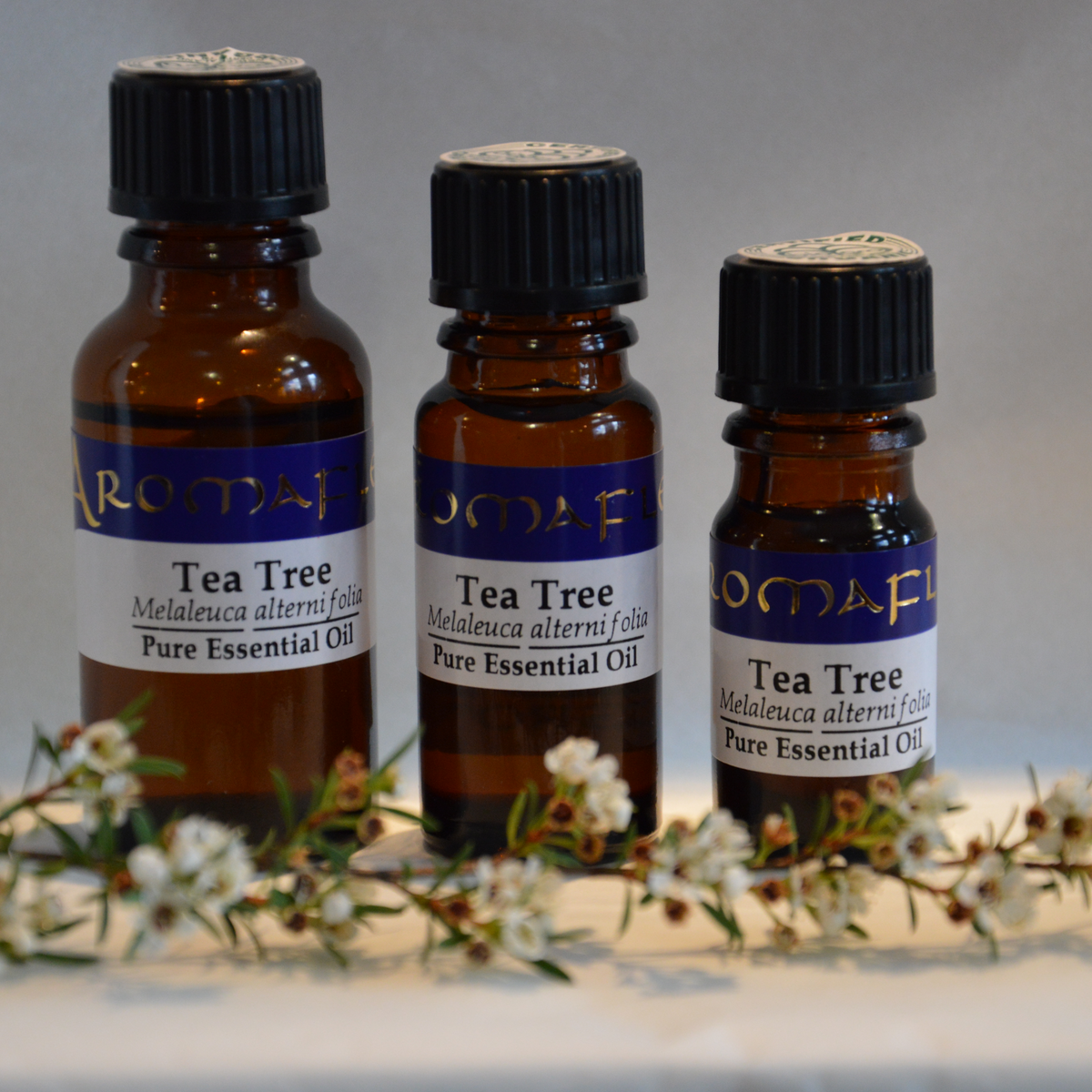
Direct application is the practice of applying a small amount of pure essential oil directly to a localised area of the skin. This method is reserved for selected essential oils that are considered suitable for neat application and should only be used when appropriate.
Most essential oils should not be applied directly to the skin and are best used in a professionally formulated blend or diluted in a suitable carrier oil.
When Is Direct Application Used?
Direct application is generally reserved for small, localised areas rather than large areas of the body.
Examples include:
- Tea Tree applied sparingly to individual blemishes or minor skin imperfections.
- Lavender applied to small areas of the skin as part of a calming or soothing routine.
- Peppermint or Lavender applied sparingly to the temples or back of the neck as part of a headache comfort routine, avoiding contact with the eyes.
The choice of essential oil depends on the individual, the purpose, and the area being treated.
Safe Use
- Only use essential oils known to be suitable for neat application.
- Apply only a very small amount to the affected area.
- Avoid contact with the eyes, mucous membranes, and broken skin unless professionally advised.
- Discontinue use if irritation occurs.
- Not all essential oils are suitable for children, pregnancy, or people with certain medical conditions.
Aromaflex Tip
If you are unsure whether an essential oil is suitable for direct application, choose a professionally formulated Aromaflex Blend instead. Blends have already been diluted for safe topical use and are the preferred option for most everyday aromatherapy applications.
INHALATION
USING THE AROMA OF ESSENTIAL OILS THROUGH BREATHING
For thousands of years, people have enjoyed the benefits of aromatic plants by inhaling their natural fragrance. In aromatherapy, inhalation is one of the quickest and most effective ways to experience the aroma of essential oils.
When you breathe in an essential oil, tiny aromatic molecules enter the nasal cavity where they are detected by the olfactory system. These signals are transmitted directly to the brain, including areas within the limbic system, which is closely associated with emotion, memory, mood, and learned responses. This close connection helps explain why certain aromas can instantly evoke memories or create feelings of relaxation, comfort, or alertness.
Some of the aromatic molecules are also inhaled into the respiratory tract, where they contribute to the overall aromatic experience. Depending on the essential oil selected, inhalation may help promote relaxation, mental clarity, a feeling of easier breathing, or a greater sense of wellbeing.
Common Ways to Inhale Essential Oils
- Directly from the bottle.
- Using an essential oil inhaler.
- Place 1–2 drops on a tissue or cotton pad.
- Diffuse into the air using a diffuser or burner.
- Add a few drops to the shower floor and allow the steam to disperse the aroma.
- Steam inhalation (where appropriate and following safety guidelines).
Safe Use
- Always use pure, high-quality essential oils.
- Inhale gently—there is no need to take deep or prolonged breaths.
- Keep essential oils away from the eyes.
- Steam inhalation is not suitable for everyone and should be avoided by young children and used with caution by people with respiratory conditions.
- If you experience discomfort, discontinue use immediately.
Aromaflex Tip
If you're feeling overwhelmed, tired, or simply need a moment to reset, inhalation is often the quickest and easiest way to enjoy aromatherapy. Simply open the bottle, take one or two gentle breaths, and allow the natural aroma to become part of your daily wellbeing routine.

PRESCRIBED ORAL USE
PROFESSIONAL AROMATIC MEDICINE ONLY
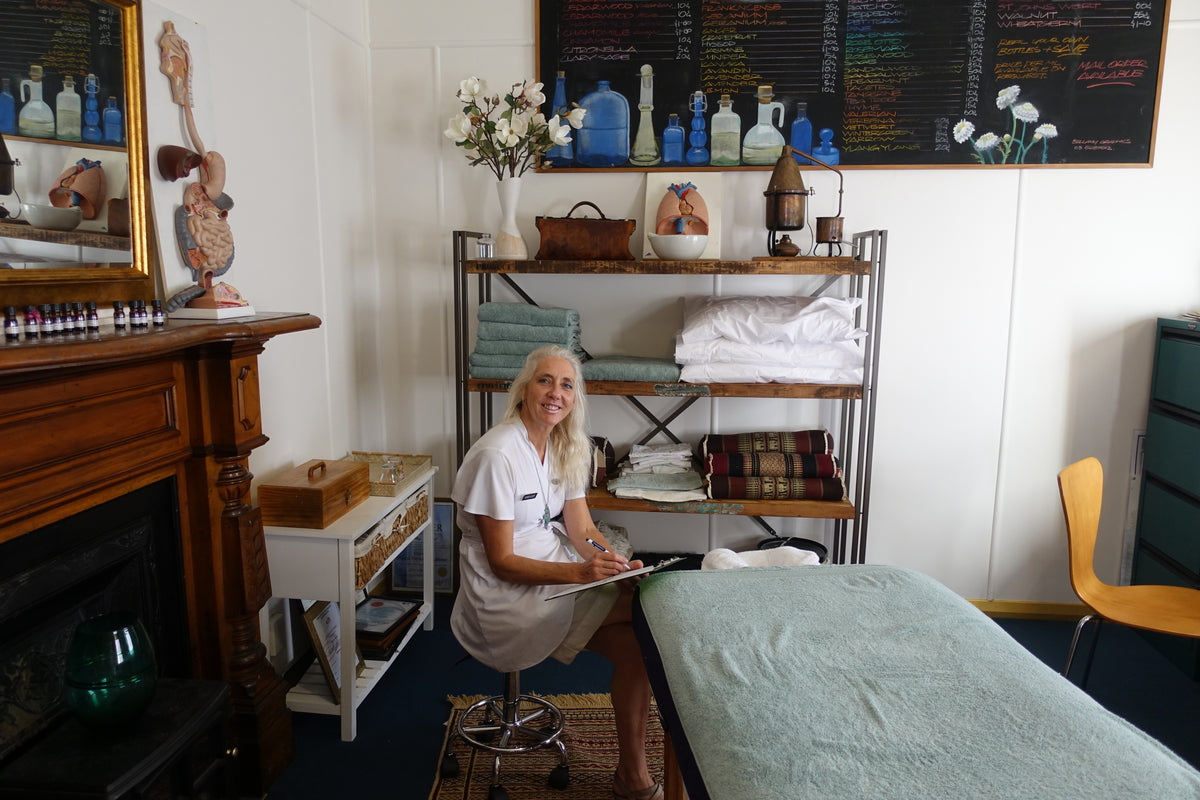
Internal use of essential oils should only be undertaken under the guidance of a suitably qualified Clinical Aromatherapist or Aromatic Medicine Practitioner with advanced training in this specialised area of practice.
Essential oils are highly concentrated plant extracts and should not be confused with herbal medicines or homeopathic remedies. Even small amounts can have significant physiological effects, and inappropriate use may result in adverse reactions, medication interactions, or toxicity.
For this reason, Aromaflex does not recommend self-prescribing or routinely taking essential oils internally.
When internal administration is clinically appropriate, it is carefully assessed on an individual basis. The method of administration, dosage, essential oil selection, duration of use, and any medical considerations should always be determined by a qualified practitioner.
Safe Use
- Never take essential oils internally unless specifically prescribed by a suitably qualified practitioner.
- Never add essential oils directly to drinking water.
- Always inform your practitioner of any medications, allergies, pregnancy, breastfeeding, or existing medical conditions before internal use is considered.
Aromaflex Tip
Most people can experience the benefits of aromatherapy safely and effectively through topical application, inhalation, hydrosols, or professionally formulated blends. Internal use is a specialised area of Clinical Aromatherapy and is rarely required for everyday wellbeing.

TOPICAL BLEND APPLICATION
APPLYING READY-TO-USE AROMATHERAPY LENDS TO THE SKIN
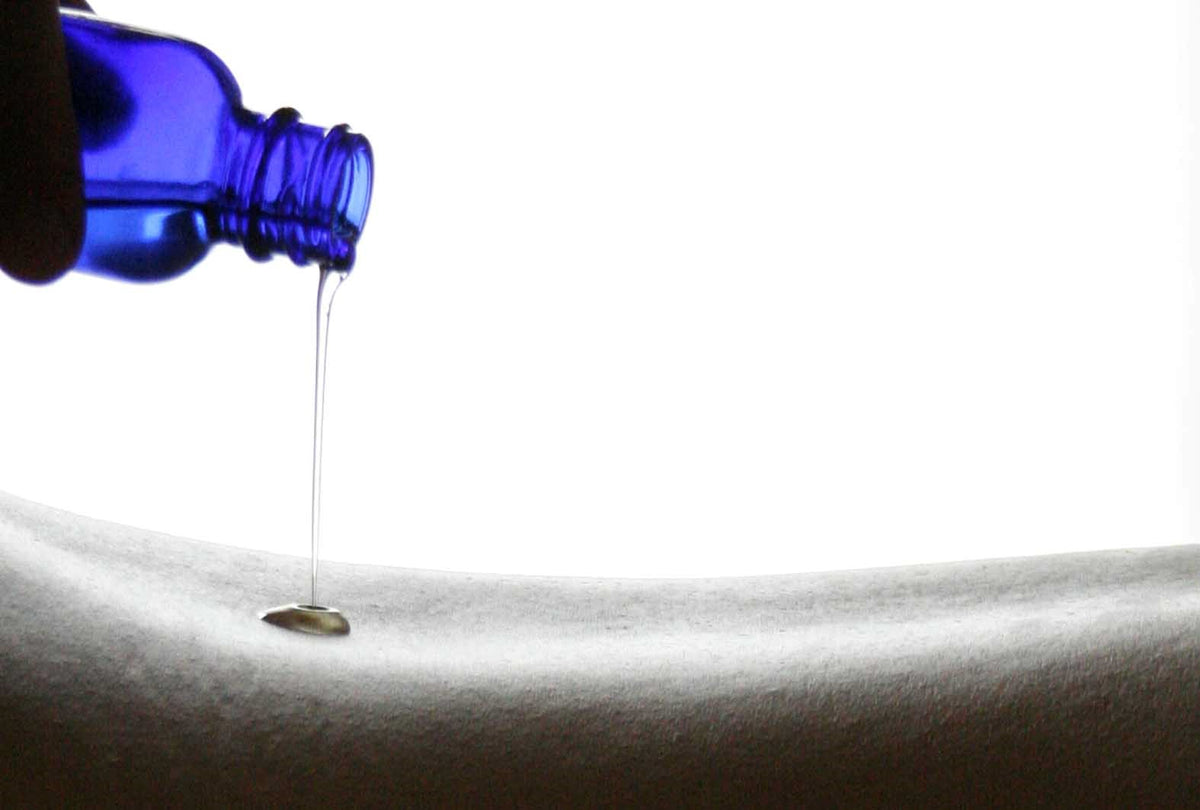
An Aromatherapy Blend combines pure essential oils with a carrier oil, creating a ready-to-use product that can be applied directly to the skin. The carrier oil safely dilutes the essential oils while nourishing and moisturising the skin, making blends ideal for everyday aromatherapy.
When a blend is gently massaged into the skin, some of the aromatic constituents of the essential oils are absorbed through the outer layers of the skin. Absorption occurs through the skin surface and hair follicles, with the extent of absorption varying according to factors such as the essential oils used, skin condition, the area of application, and the duration of massage.
Massage itself plays an important role by encouraging relaxation, increasing local circulation, and helping the blend spread evenly over the skin. Many people enjoy applying body blends after a warm shower or bath, when the skin is clean and warm, allowing for a comfortable and enjoyable massage experience.
Common Uses
Topical blends are commonly used for:
- Massage and relaxation
- Everyday skincare
- Facial care
- Hand and foot care
- Targeted application to specific areas of the body
- Daily wellbeing routines
Safe Use
- Apply only to clean, healthy skin.
- Use as directed on the product label.
- Avoid contact with the eyes and mucous membranes.
- Do not apply to broken or irritated skin.
- If you have sensitive skin, perform a patch test before first use.
Aromaflex Tip
Applying a blend after a warm shower or bath is an excellent time to enjoy aromatherapy. Warm, clean skin and gentle massage help the blend spread easily, making it a relaxing addition to your daily wellbeing routine.
HYDROSOLS/AROMATHERAPY SPRAYS
GENTLE WATER-BASED AROMATHERAPY FOR SKIN AND ENVIRONMENT
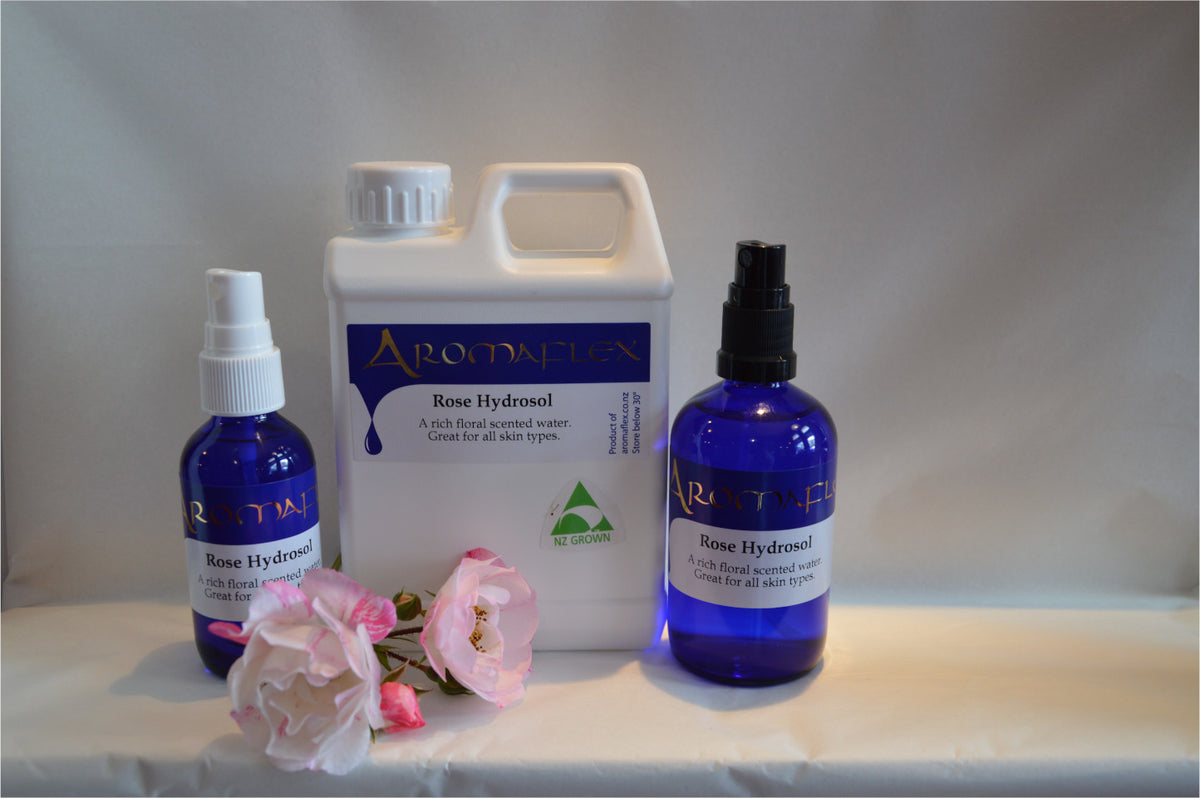
Hydrosols (also known as hydrolats, plant waters, or floral waters) are one of the gentlest forms of aromatherapy. Produced during the steam distillation of aromatic plants, they contain the water-soluble plant constituents along with trace amounts of essential oil, making them suitable for many everyday applications.
Because hydrosols are much less concentrated than essential oils, they are often chosen when a gentler approach to aromatherapy is preferred.
Common Uses
Hydrosols are commonly used for:
- Facial toners and refreshing facial mists
- Cooling body sprays
- Skin cleansing and soothing skincare routines
- Compresses
- Mouth rinses and gargles (where the hydrosol is specifically intended for oral use)
- Children's and older adults' aromatherapy (using suitable hydrosols)
- Room and linen sprays
Why Choose a Hydrosol?
Hydrosols provide a gentle aromatic experience while supporting everyday skincare and wellbeing routines. They are particularly useful for people with sensitive skin or those who prefer a milder alternative to pure essential oils.
Safe Use
- Use only high-quality, properly distilled hydrosols.
- Store in a cool place, preferably refrigerated after opening if recommended.
- Use clean hands and equipment to avoid contamination.
- Only use internally or as a gargle if the hydrosol is specifically produced and labelled for that purpose.
- Discontinue use if irritation occurs.
Aromaflex Tip
Hydrosols are one of the most versatile aromatherapy products. Keep a bottle in the bathroom, office, or handbag for an instant facial refresh, gentle skincare, or to enjoy the fresh aroma of locally distilled New Zealand botanicals throughout the day.